Technicalities in the development and industry of video games
30 Video game technicalities terms
Guide on technical words used in the video game industry.
Made by: Ángel De Jesús Colunga Arriero
AAA
Noun
AAA or Triple A is similar to the so-called cinematic blockbusters, triple A video games are those developed by large video game companies and that have large budgets for their production and promotion, so they generate great demand among the mass of users.
Example: Triple-A games are the most expensive games in the industry.
en: Triple A
Alpha
Noun
Alpha is the stage when key gameplay functionality is implemented, and assets are partially finished.
Example: The first stage in which the elements are implemented into the game is known as alpha.
en: Alfa
Beta
Noun
Beta is used for a release phase during production in which the game functionality is included and optimized (but may have bugs), the game content is finished (but may have some implementation bugs), the game is considered almost complete.
Example: In the beta phase it is typically used for "early access" games.
en: Beta
Bug
Noun
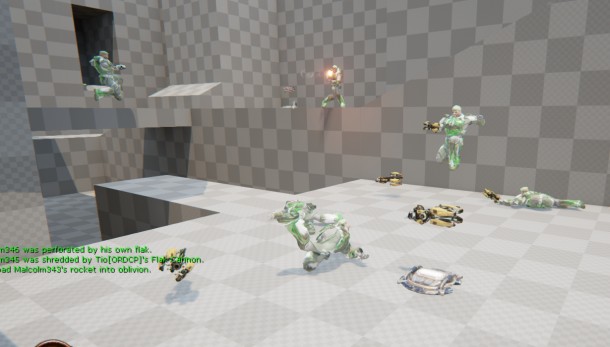
A programming error in the game, and causes the game to malfunction.
Example: A bug causes a horse to "fly".
en: "Bug"
Core Gome
Noun
Core Gome is a set of actions that determine how the game flows, it’s the beating heart of what makes a game fun.
Example: The core game is union of rules, actions and visuals with correct function.
en: "Core game"
Cross play
Noun
Video games published on several platforms, whose different versions have some degree of interaction, such as a common multiplayer mode, the possibility of sharing saved games, highscore tables, etc.
Example: I can play Among us with my friend who plays on pc and my brother who plays on smartphone.
en: Juego cruzado entre plataformas
Debug
Noun
Tool used by developers and game testers to access or execute certain actions within a game that would be difficult to reproduce under normal conditions, which allow to obtain very important information about how the code is running, useful to correct errors and polish its operation.
Example: Debug is useful for find unusual problems.
en: Debug
DLC
Noun
DLC or Downloadable Content, extra content for a video game that is distributed over the Internet by the game publisher and therefore downloadable. It can be any type of added content, from a simple costume or object for the game to a complete expansion with its own story, new scenarios, game modes, etc.
Example: Hollow Knight dlc adds new items, locations, and enemies
en: Contenido descargable
Early Acces
Noun
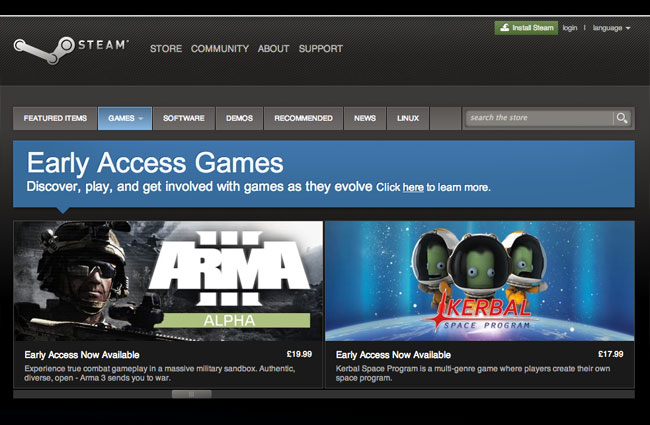
Financing modality in which players buy a videogame when it is still in its early stages of development (usually alphas).
The player obtains early access to a videogame he/she wishes to play and the developer obtains money to continue with the project. In addition, the player usually provides feedback and reports that help determine the quality of the game.
Example: Early access games are more common in the indie game industry.
en: Acceso anticipado
Game Design Document
Noun
A Game Design Document or just "GDD" is a document that is elaborated during the pre-production phase of a video game and that is updated as development progresses. It contains detailed information about the objects, rules, environments, context, narrative structure, victory-defeat conditions and game aesthetics, serving as a guide for the different work groups during the development process.
Example: The whole team can contribute to the GDD
en: Documento de diseño de videojuegos
Game designer.
Noun
A game designer is someone who conceptualizes game plots and storylines, levels and environments, character interactions, and other creative aspects. It’s their job to work with other specialists - like developers, artists, and others - to communicate ideas and then project manage those ideas through to game production.
Example: The game designer ensures that he and the team develop the game smoothly.
en: Diseñador del juego
Game Engine
Noun
System designed for the creation of video games that brings together a set of applications necessary for their development. Its main function is to provide the game with a graphics engine for rendering the models and animations that make up the video game, although the engines often incorporate a development environment consisting of several tools to facilitate the developers' work, such as a physics engine or a collision engine.
Example: Unity and Unreal Engine are the most popular game enigines
en: Motor de juego
Game tester
Noun
A game tester, or quality assurance tester, plays video games that are under development to check for errors, also known as glitches or bugs.
Example: The game tester helps developers find bugs so they can fix them.
en: Probador de juegos
Glitch
Noun
The glitch is also a flaw in the game, but unlike the bug it does not spoil the player's experience and is an error that the player can take advantage of.
Example: Covering the vendor's head causes a glitch whereby I can take items without paying for them
en: "Glitch"
Glitching
Verb
"Glitching" is the practice of players exploiting faults in a video game's programming to achieve tasks that give them an unfair advantage in the game.
Example: I'm glitching the game for "fly"
en: "Glitcheando"
High poly
Noun
3D model with a very high number of polygons and very complex structures, which makes it a detailed model. It is usually used in video games that require a very realistic body expression of the character.
The number of polygons needed for a model to be considered high poly will depend on several factors, such as the graphics engine used.
Example: Regularly more than 3000 polygons is considered low poly.
en: Alto poligonaje
Hitbox
Noun
Invisible shape used to detect collisions between objects in a game. It is usually a rectangle (in 2D games) or a cuboid (in 3D) which are established as the area and/or volume of the collision between objects.
Example: There are different hitboxes, hitbox for damage area and character area.
en: "Hitbox"
Indie
Noun
Video games made by a studio that works independently, that is, without being bound by the orders or guidelines of a third party (usually a publisher) that influences the creation process. They are usually small studios with little budget, which usually make up for their production shortcomings with a greater dose of originality in one or more of its sections.
Example: The best-selling indie game is minecraft, being even the best-selling game of all time.
en: "Indie"
Level designer
Noun
Level designers understand what makes good gameplay. They design the game, but only a portion of it, normally referred to as a ‘level’. They take the specification defined by the gameplay designer, and get into the details - the actions, events, objects and environment. They also design the characters and the ways they behave.
Example: The lever designer wants the game to have a platform, so that the jumping mechanics work properly.
en: Diseñador de niveles
Low poly
Noun
3D model with a very low number of polygons, which makes it a coarse and not very detailed model. It can be the final model used in the game with which it is usually compensated with detailed textures or it can also be used as a "placeholder".
The number of polygons necessary for a model to be considered low poly will depend on several factors, such as the graphic engine used, the level of detail desired, etc.
Example: Regularly less than 1500 polygons is considered low poly.
en: Bajo poligonaje
Mechanic designer
Noun
A mechanic designer is in charge of creating and developing a set of mechanics for the game, focusing on the balance and feel of what can be done in the game.
Example: The mechanics designer wants that the jumping mechanics as main mechanic of the game.
en: Diseñador de mecánicas
Patch
Noun
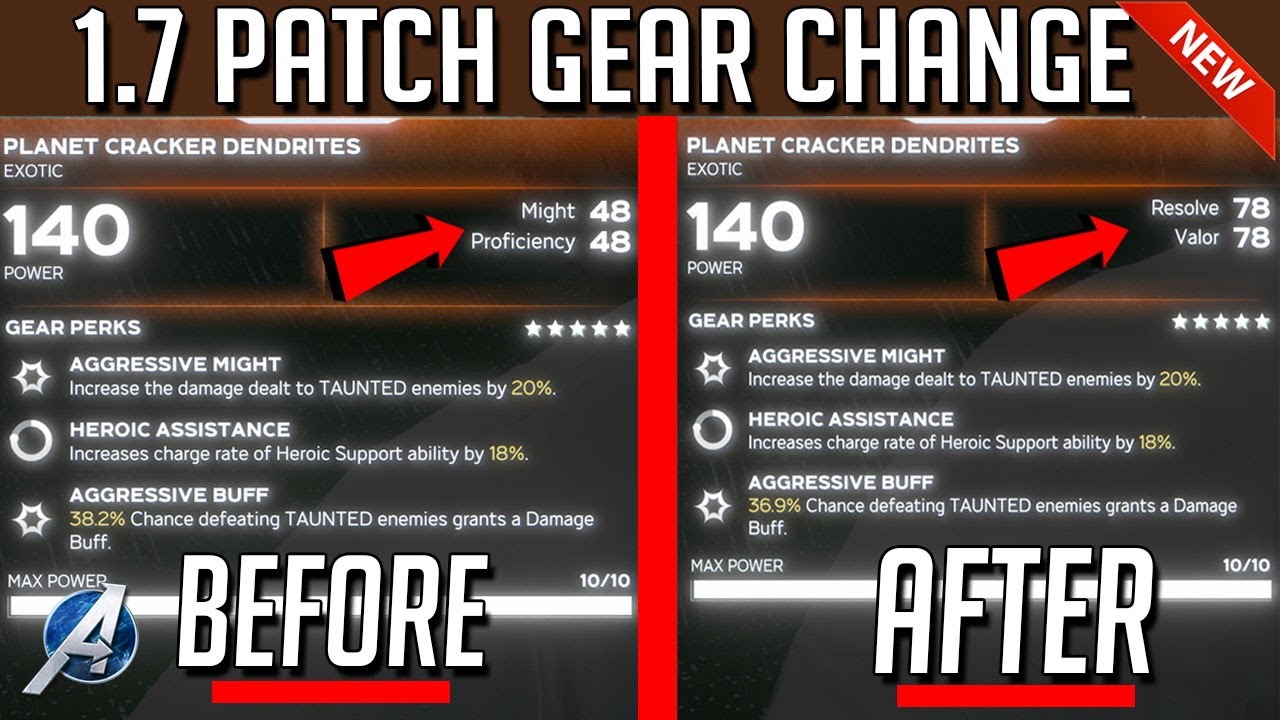
Modification of a game that generally fixes bugs in the game, but is also used to update or improve certain aspects, such as characters, items, weapons, etc.
Example: The latest patch has solved the statistics balancing problems.
en: Parche
Placeholder
Noun
In the early stages of development of a video game, a placeholder is a very basic version -sometimes even a simple icon or sign- of an element that is part of the video game (object, character, event, etc), but that has not yet been developed or designed.
Example: I will put a placeholder until I have the final product.
en: Placeholder
Popping
Verb
Refers to those defects in games in which a graphic element appears abruptly to the user, that is, they appear suddenly without having been seen before.
Example: Many pokémon are popping in front of the game avatar.
en: "Popping"
Port
Noun
Video game that has been converted or "ported" from the platform for which it was originally developed to a new platform, without undergoing any significant change in its structure.
Example: Doom is the most ported video game of all, being available on more than 20 platforms, from pc to nintendo switch.
en: "Port"
Procedural generation
Noun
Procedural generation is a method of creating data algorithmically as opposed to manually, typically through a combination of human-generated assets and algorithms coupled with computer-generated randomness and processing power. In computer graphics, it is commonly used to create textures and 3D models.
Example: Minecraft uses procedural generation to create random worlds that are different from each other.
en: Generación procedural
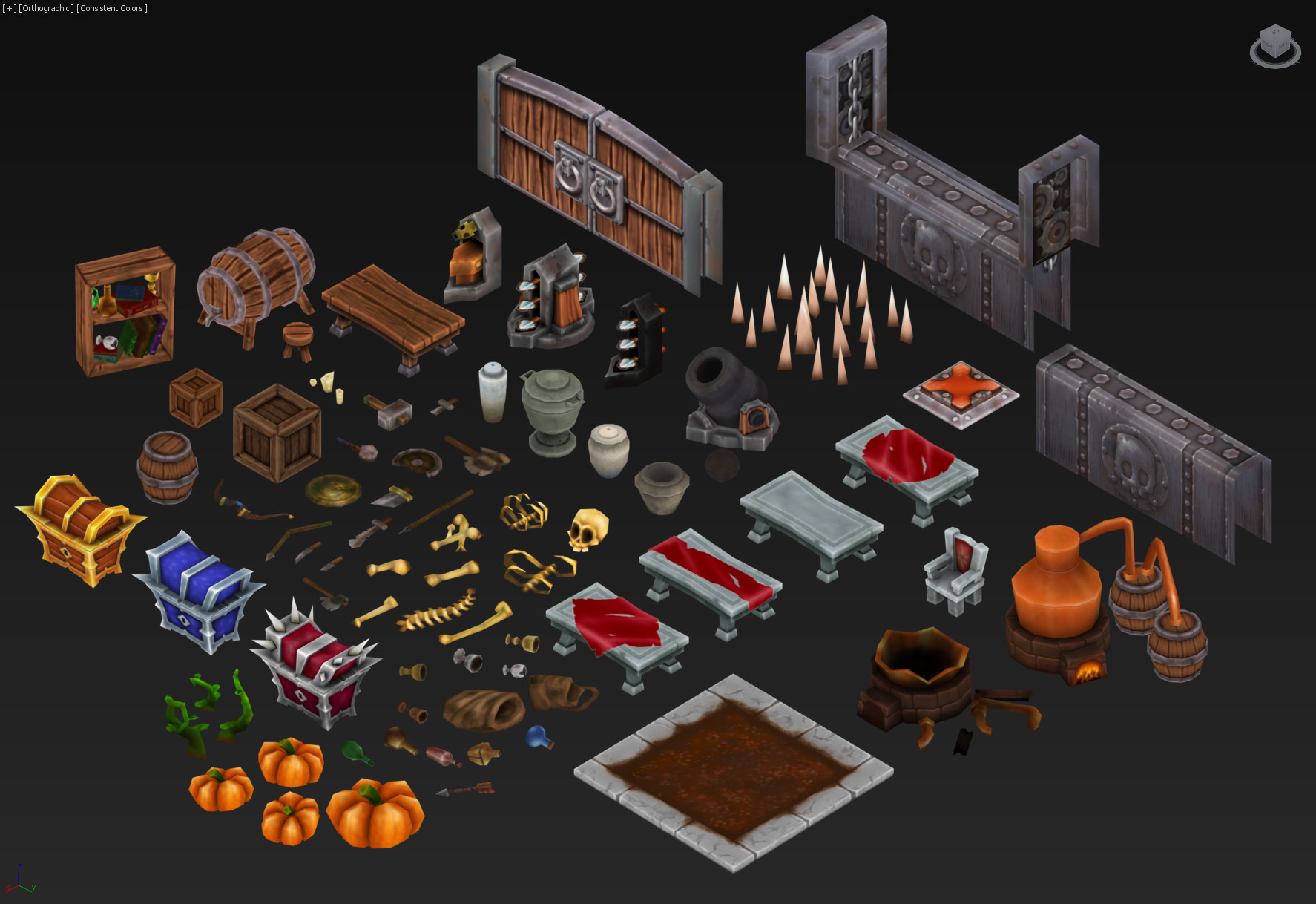
Prop
Noun
Game elements that are part of the scenery, such as a door, a table, a computer, etc.
Example: A sword, a tree and a house are props
en: "Prop"
Ray Tracing:
Noun
Rendering technique to generate images by tracing the passage of light in the form of pixels on a flat image, thus simulating the effect of the reflection of other objects on its trajectory when in motion, creating a great sense of realism.
Example: It is not popular, but ray tracing is mostly used in games with realistic aesthetics.
en: Trazado de rayos
Rendering
Noun
Graphic representation used for the process of generating a photorealistic image, or not, from a 2D or 3D model by means of computer programs. In addition, the result of the visualization of such a model can be called render.
Example: Renders are used to showcase an idea or concept
en: Renderización
Sprite
Noun
Initially, a sprite was a bitmap image that was managed by specialized hardware, independent of the CPU of the machine, generally used for the protagonists of video games or other characters, since it allowed them to be managed independently of the backgrounds.
With the passage of time the term sprite ended up referring to any bitmap image present on the screen, generally referring to the characters of the game.
Example: Sprites are more commonly used in 2d games